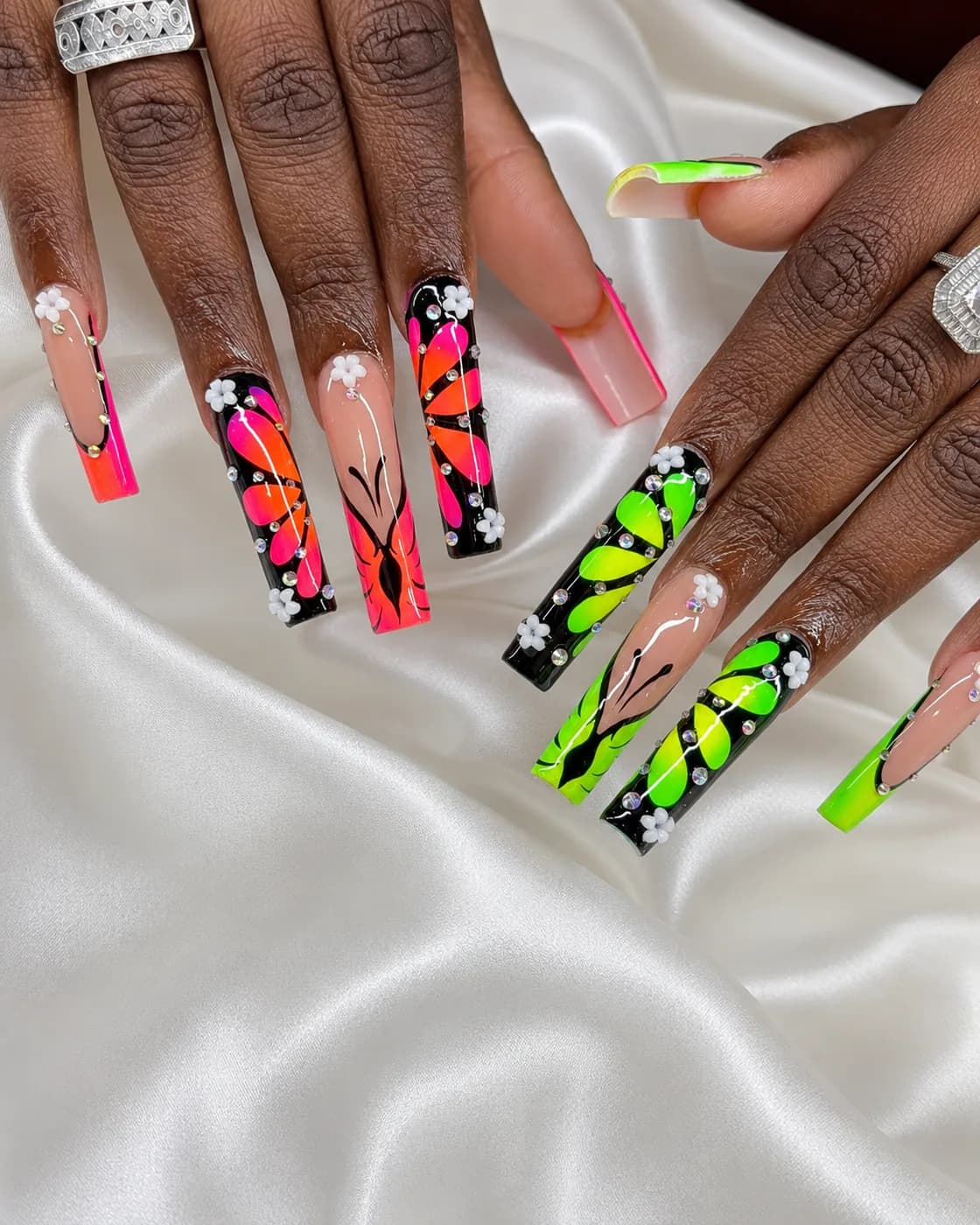
Making a Manicure Last in West Palm Beach: Salt, Sun and Chlorine
Humidity, ocean, pools and air conditioning are hard on a set in ways a manicure in a dry climate never faces. What actually survives a Florida summer.
6 min readBy the Utopia Nails Spa team
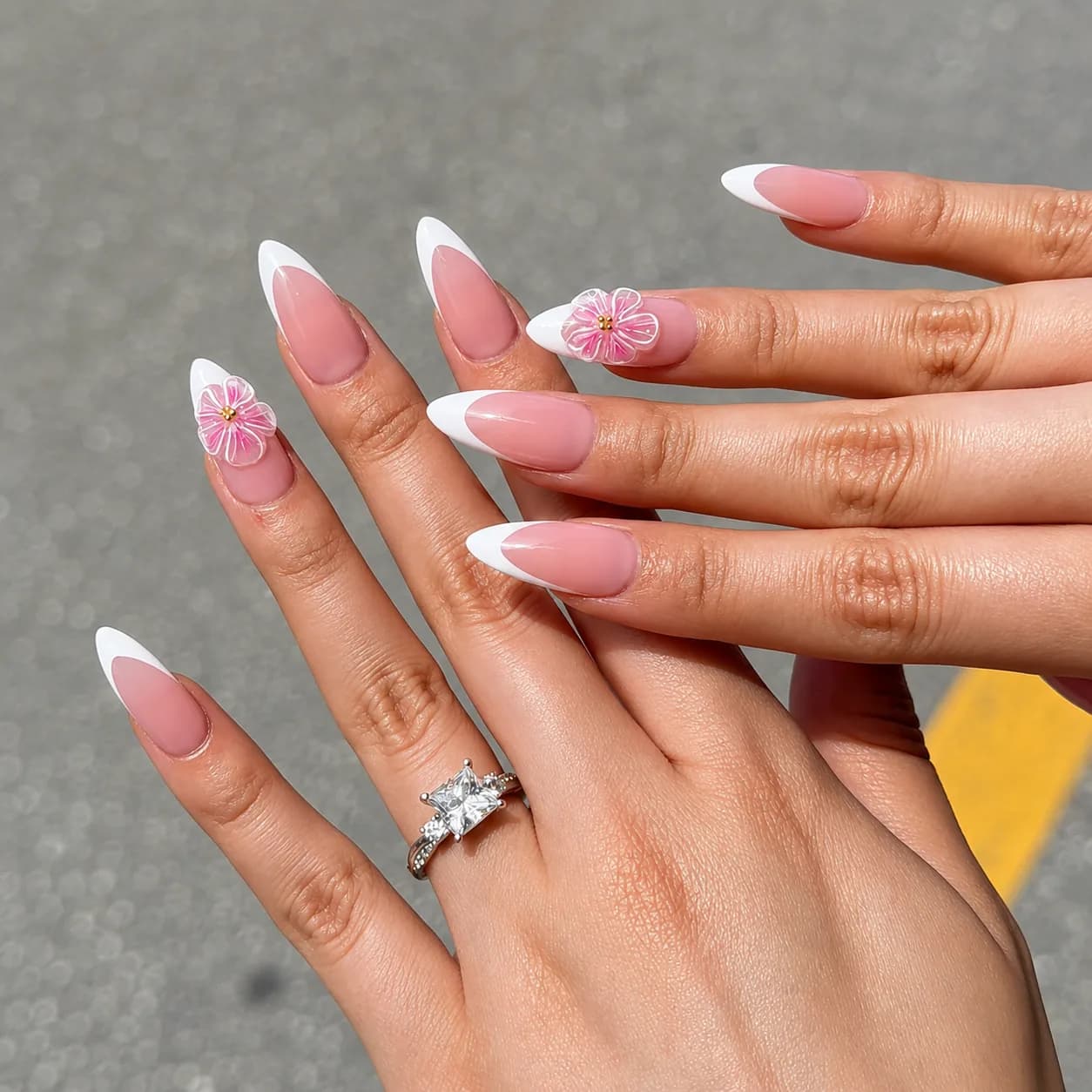
The short version. Chlorine and salt water are the two that do real damage, and sunscreen is the sleeper. Gel, dip and Gel-X all handle South Florida better than regular lacquer. Rinse after the pool or the ocean, and keep a shorter shape through the summer.
Chlorine
Pool water is both a drying agent and a mild bleach. On regular lacquer it dulls the finish within a few swims. On gel and dip the colour holds, but repeated wet-dry cycling works at the seal — particularly at the free edge if it has not been capped.
The fix is unglamorous and effective: rinse with fresh water as soon as you get out, dry your hands properly rather than letting them air-dry, and put oil back at the nail fold afterwards.
Salt water and sand
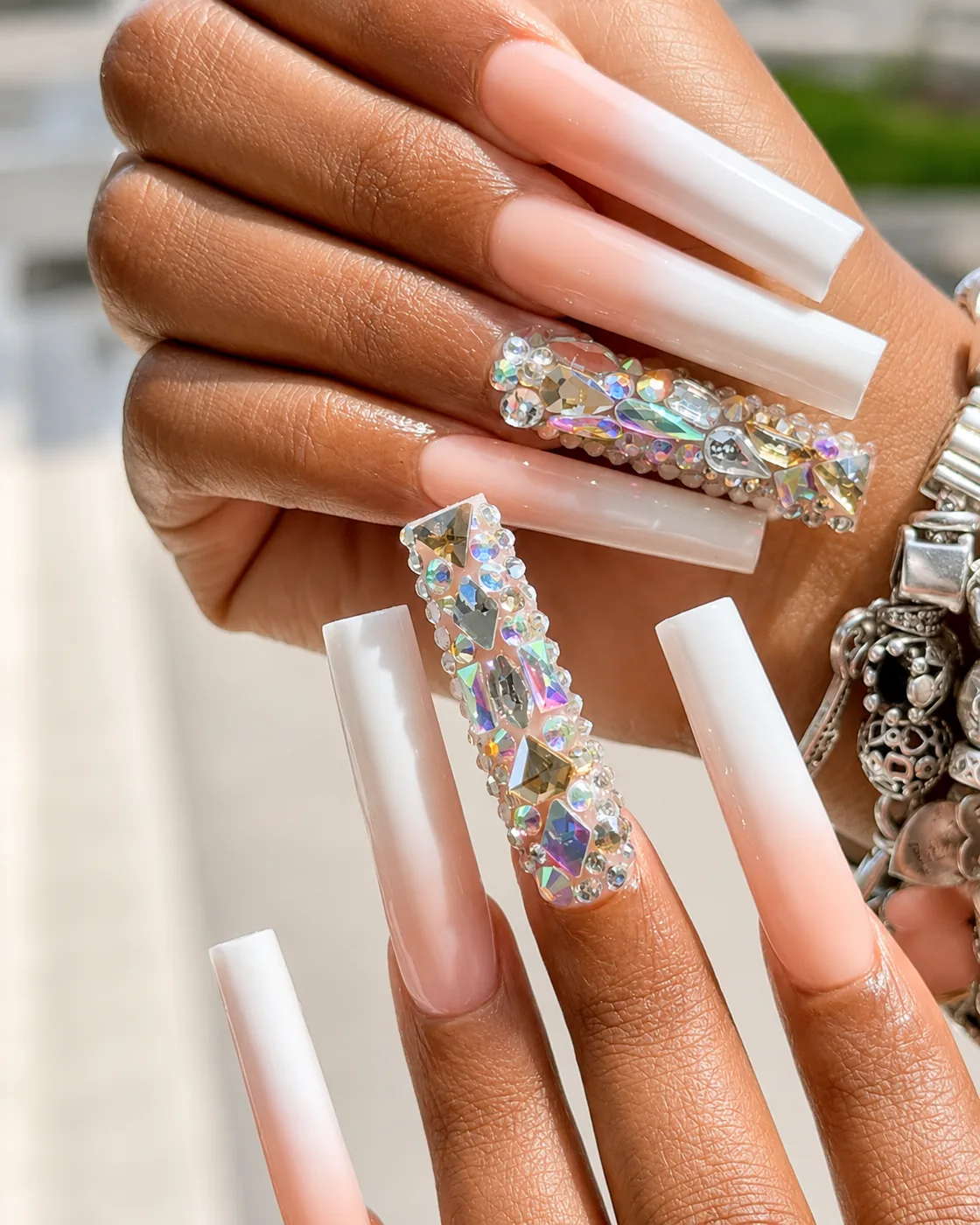
Salt water dries the nail plate and the skin around it. Sand is a physical abrasive — an afternoon on the beach does measurable work on a glossy top coat, and it is rough on the underside of long extensions.
If you are on the island most weekends, this is an argument for a shorter shape and for acrylic or Gel-X over a thin gel overlay. It is also an argument for a top-coat refresh between appointments, which is a quick job.
Sunscreen, the one nobody expects
Chemical sunscreens contain avobenzone, which is a known culprit for turning pale polish and white French tips faintly yellow-orange. It is a staining reaction, not a product failure, and it is more visible on white and nude than anything else.
If you wear a lot of sunscreen and hate the discoloration, mineral formulas based on zinc oxide or titanium dioxide avoid it, and so do darker colours. It is worth mentioning if you have ever wondered why a fresh white French went sallow within a fortnight.
Humidity and air conditioning
The real stress in a Florida summer is the swing: humid outside, cold and dry inside, all day. That is the same wet-dry cycle that causes nail plates to peel in layers, just driven by climate instead of washing up.
Oil at the nail fold at night is the counter. It takes fifteen seconds and it does more for the longevity of a set than any top coat.
What we would actually recommend for summer here
Gel over natural nails at $35 if you want low commitment. Dip at $45 if you want a bit more armour and no lamp. Gel-X from $65 if you want length that will not snap at the beach. On toes, the Gel Pedicure at $47 outlasts everything else on the menu because toenails grow so slowly.
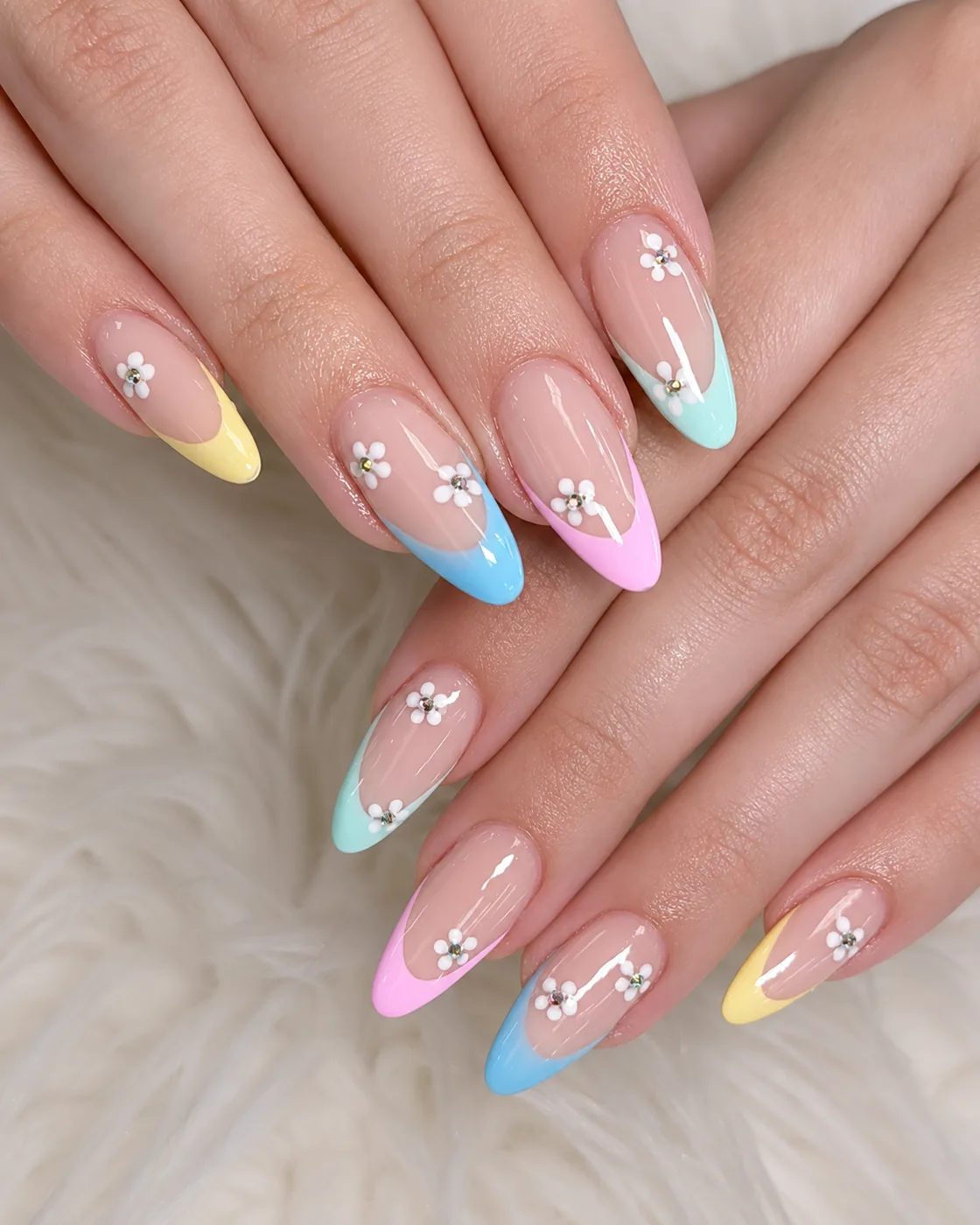
And a shorter shape than you would wear in winter. Almond and short square take a knock far better than a long stiletto when there is sand involved.